news01
Industry News

Unveiling the Mysterious Markings on Aerosol Cans

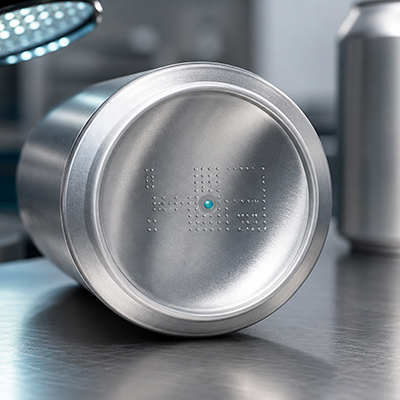
Unveiling the Mysterious Markings on Aerosol Cans In daily life, aerosol cans are a common type of pressure vessel, widely used in everything from household cleaning products and spray paints to automotive maintenance and outdoor camping products. They are not only convenient and practical but also represent advanced metal packaging technology. Today, we will unveil the secrets of these markings from a professional perspective in a simple and easy-to-understand way. Aerosol cans are mainly made of aluminum or tinplate, formed into a two-piece (common for aluminum cans) or three-piece (common for tinplate cans) structure through high-pressure stamping and stretching processes. The bottom markings are usually embossed during the can forming stage using a mold. This process ensures that the markings are resistant to high temperatures and pressures, and are not easily worn or detached. The dots and codes stamped on the bottom of an aerosol can really just handle two jobs: Date stamp: It plain-out shows when that can came off the production line, letting you know if it’s recent stock, line it up with the use-by date no problem, and give you peace of mind that it’ll perform okay when you grab it. Batch number: It simply bunches together every can that got made in the same run. If something goes wrong with the quality down the road, the company can pinpoint right away which exact group is involved, pull those cans if needed, and make sure nobody gets hurt or stuck with bad stuff. Comparison of Common Bottom Marking Formats (Table) Marking Type Example Code Interpretation Advantages and Application Scenarios Julian Date System 23185A 23 = 2023; 185 = 185th day (approximately July 4th); A = Batch number Concise and efficient, internationally universal, easy for automated reading Month/Year Combination 05/23 B 05 = May; 23 = 2023; B = Batch Easy to read and intuitive, suitable for manual inspection Raised Dot Matrix Pattern Circular petal-shaped number of petals represents the month, number of dots represents the week or day Enhances the structural strength of the can bottom, visually distinctive Extended Digital Code L0423K L = Production line; 04 = Month; 23 = Year; K = Batch Rich information, supports complex traceability systems Although the marking formats of different manufacturers vary, the core purpose is to achieve product traceability. Bluefire, a professional metal packaging company, has been in the industry for over 13 years, specializing in the production of high-pressure aerosol cans and small-capacity pressure vessels. Their products are mainly various specifications of aluminum cans used in refrigerants and camping gas canisters, all complying with international safety standards such as EN417 and DOT. Bluefire’s factory uses fully automated production lines. From the initial raw material cutting to stretching the metal into the can shape, and then installing valves and imprinting bottom codes, every step is strictly controlled to ensure that the markings on the bottom of each can are clear, accurate, and verifiable. This not only improves product quality but also provides safety assurance for downstream brands. Behind these markings lies the advanced technology of aerosol can manufacturing. Modern factories mostly use high-speed automated production lines, producing hundreds of cans per minute. The process includes metal sheet stamping, welding (three-piece cans), neck forming, and packaging. The following is a typical production process: In addition, aerosol can bodies have rich applications in environmental recycling and creative fields. Empty can bodies are tough and highly malleable, often used for DIY crafts: You can snip, fold, and buff those empty cans to turn them into pretty rose decorations or little ornaments. Lots of folks like collecting or swapping the lids—the nozzle caps—to mess around with different spray styles and patterns. Figuring out those bottom codes isn’t just about spotting the make date and grabbing newer, more solid cans; it also helps you get a real sense of the whole production process and some neat recycling tricks. Next time you’re picking one up, turn it upside down, check that code closely, and stick with reliable names like Bluefire—they’ve got years of solid know-how and all the right international stamps.Down the road, with factories getting smarter all the time, these codes will probably hook up to digital tracking setups, keeping everything safer in the business and giving a bigger boost to going green.

news02
Industry News

September 29 Industry News

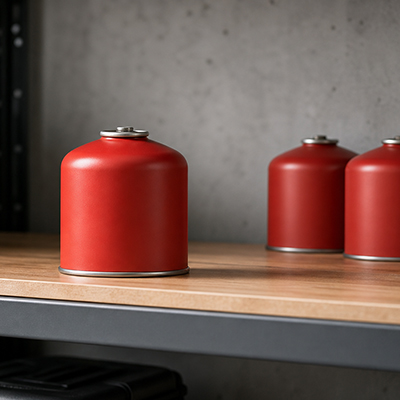
Handling energy supplies in homes demands careful thought. Many outdoor enthusiasts and families choose the 450g gas canister because it remains compact and dependable for heating or cooking during emergencies. These units offer real convenience yet proper storage matters greatly for safety and lasting use. Knowing how to position protect and check them lowers dangers while boosting performance.   The position of a gas canister influences its strength and safety. Keeping it upright helps the liquid inside stay balanced so pressure spreads evenly throughout. Tilting or laying it sideways stresses valves and seals unevenly which raises chances of leaks or early breakdown. Place canisters on firm level ground that limits movement. Shelves racks or fixed spots on the floor stop rolling or falling that might harm safety and function. This orientation lengthens the canister’s life and keeps it working well when needed. Upright habits bring reassurance whether the fuel powers home meals outdoor trips or backup needs. Prioritizing placement helps families and adventurers avoid accidents and maintain efficiency in their portable sources.   Temperature shifts and airflow play key roles in keeping stored gas canisters safe and intact. Changes in heat alter internal pressure which might weaken seals and heighten leak risks. Ongoing mild warmth gradually damages parts and lowers dependability. Store cylinders far from stoves heaters or sunlight since higher heat builds pressure faster and speeds wear. Choose cool shaded spots like basements garages or corners with some air movement to shield against weather swings. Let air flow around the units because circulation scatters vapors and stops flammable buildup. Steer clear of tight enclosed spots without ventilation that trap gases and raise household dangers. Check storage areas now and then for too much heat or moisture then shift placement to stay safe.   Following these steps lets homes and outdoor users cut risks from heat changes and bad air flow. Well-managed storage keeps canisters secure ready and trustworthy.   Choosing storage spots on a property balances ease with care. Weather-proof outdoor sheds balconies or separate boxes work well. Inside opt for cupboards by outer walls or airy pantries kept away from flames. Never put a 450g gas canister in living rooms bedrooms or spots where children and pets often go. Thoughtful placement brings calm to households. Handling energy supplies in homes demands careful thought. Many outdoor enthusiasts and families choose the 450g gas canister because it remains compact and dependable for heating or cooking during emergencies. These units offer real convenience yet proper storage matters greatly for safety and lasting use. Knowing how to position protect and check them lowers dangers while boosting performance.   The position of a gas canister influences its strength and safety. Keeping it upright helps the liquid inside stay balanced so pressure spreads evenly throughout. Tilting or laying it sideways stresses valves and seals unevenly which raises chances of leaks or early breakdown. Place canisters on firm level ground that limits movement. Shelves racks or fixed spots on the floor stop rolling or falling that might harm safety and function. This orientation lengthens the canister’s life and keeps it working well when needed. Upright habits bring reassurance whether the fuel powers home meals outdoor trips or backup needs. Prioritizing placement helps families and adventurers avoid accidents and maintain efficiency in their portable sources.   Temperature shifts and airflow play key roles in keeping stored gas canisters safe and intact. Changes in heat alter internal pressure which might weaken seals and heighten leak risks. Ongoing mild warmth gradually damages parts and lowers dependability. Store cylinders far from stoves heaters or sunlight since higher heat builds pressure faster and speeds wear. Choose cool shaded spots like basements garages or corners with some air movement to shield against weather swings. Let air flow around the units because circulation scatters vapors and stops flammable buildup. Steer clear of tight enclosed spots without ventilation that trap gases and raise household dangers. Check storage areas now and then for too much heat or moisture then shift placement to stay safe.   Following these steps lets homes and outdoor users cut risks from heat changes and bad air flow. Well-managed storage keeps canisters secure ready and trustworthy.   Choosing storage spots on a property balances ease with care. Weather-proof outdoor sheds balconies or separate boxes work well. Inside opt for cupboards by outer walls or airy pantries kept away from flames. Never put a 450g gas canister in living rooms bedrooms or spots where children and pets often go. Thoughtful placement brings calm to households. #FormatImgID_0#   Storage safety goes beyond just location. Regular checks spot dents rust or loose parts. Looking over each unit before use avoids trouble. Make sure the cap stays tight. Keep things clean since dust near valves blocks operation. Wiping surfaces from time to time aids smooth performance when fuel flows.   Moving and short-term holding of gas containers need careful steps to preserve safety and workings. Carry a 450g canister in sturdy holders or firm boxes to block tips or rolls that damage valves. Keep transport vehicles shaded and aired to dodge high heat. Car interiors warm quickly and long stays there build cylinder pressure into dangers. During camping hikes or outings plan temporary spots wisely. Hold cylinders upright on steady flat ground for even pressure inside. Stay distant from fires stoves or tents to lower ignition odds. Safe spacing and firm stance guard the unit along with nearby people and gear. Inspect visually before and after moves for dents rust or loose elements signaling issues. Secure carrying shaded vehicles and aware outdoor spots together allow safe movement and brief storage without losing function or adding hazards.   Responsible fuel handling reaches past use into mindful disposal. Badly tossed or broken 450g canisters leak leftover gases or metals into ground and water harming nature. Follow area waste rules and ask local officials for right recycling or drop methods. Communities often run special sites or plans for empty or hurt cylinders to process them safely. At home separate spent or damaged units from normal trash to avoid pollution. Mark them plainly for recycling pickup. Take them to official spots or centers. Skip dumping in bins dirt or streams. Track canister numbers and turn them over regularly to cut waste.   These routines in daily life encourage green ways lessen harm and show good community sense. Knowing nature effects makes 450g canister use safe for homes and kind to the world around.   Keeping ready gas canisters aids home emergency plans deeply. These portable fuels supply steady power in outages storms or surprises to continue cooking heating and key tasks. Yet easy reach must not risk safety. To blend preparedness with protection store upright so pressure stays even and valves work right. Pick aired spaces that let gases scatter and curb buildup. Hold away from stoves heaters or sun because heat raises pressure. Arrange extras by using old ones first and keeping new ready. Inspect often for dents rust or leaks to trust them in quick needs.   Blending these ways families trust stored canisters in sudden events safely. Good setup aids ongoing energy and calm letting homes handle unknowns well while cutting needless dangers.   Daily habits beyond basic rules boost safety and ease with 450g gas canisters. Simple patterns in home care lower risks and improve trust. Mark each with buy or start date to track age spot older ones and use them sooner avoiding long holds past limits. Turn stock by finishing older before new for fresh performance and less chance of leaks from forgotten units. Keep several in one aired dedicated spot for simple watching quick grab and no scatter that invites falls. Handle with gloves to stop burns from cold gas or metal. Teach everyone in the house right ways stressing upright holds distance from heat and careful moves. Shared knowledge builds ongoing safe habits.   These added steps support core guidelines so families gain top safety and handiness. Marking turning grouping gear and teaching keep 450g canisters steady reachable and protected for normal days or urgent times.   Safe storage aids more than protection it improves efficiency too. Units in good conditions give steady flames and save fuel. Intact valves cut leaks so all gas goes to cooking or heat instead of wasting. Right ways stretch value and slow need for new ones.   Gas canisters prove versatile in camping hikes yard meals or home backups. Correct storage heightens their readiness. Core rules stay the same across uses: upright distant from heat and well-aired. Consistent application forms lasting safe patterns. A garage-held unit for seasons needs the care of one for a short trip. Upright stops valve faults air flow curbs vapor risks and distance guards structure against hazards. Standard storage raises safety and ease. Users trust these fuels knowing basic care holds function and reliability. Universal safe habits back daily use and lasting security for homes and adventurers.   Focusing on position heat control air and checks ensures fuel stays safe and ready. Responsible homes view storage as core to use. Thoughtful care lets each 450g gas canister serve reliably when called. For more on safe quality choices visit bluefirecans.com.   Storage safety goes beyond just location. Regular checks spot dents rust or loose parts. Looking over each unit before use avoids trouble. Make sure the cap stays tight. Keep things clean since dust near valves blocks operation. Wiping surfaces from time to time aids smooth performance when fuel flows.   Moving and short-term holding of gas containers need careful steps to preserve safety and workings. Carry a 450g canister in sturdy holders or firm boxes to block tips or rolls that damage valves. Keep transport vehicles shaded and aired to dodge high heat. Car interiors warm quickly and long stays there build cylinder pressure into dangers. During camping hikes or outings plan temporary spots wisely. Hold cylinders upright on steady flat ground for even pressure inside. Stay distant from fires stoves or tents to lower ignition odds. Safe spacing and firm stance guard the unit along with nearby people and gear. Inspect visually before and after moves for dents rust or loose elements signaling issues. Secure carrying shaded vehicles and aware outdoor spots together allow safe movement and brief storage without losing function or adding hazards.   Responsible fuel handling reaches past use into mindful disposal. Badly tossed or broken 450g canisters leak leftover gases or metals into ground and water harming nature. Follow area waste rules and ask local officials for right recycling or drop methods. Communities often run special sites or plans for empty or hurt cylinders to process them safely. At home separate spent or damaged units from normal trash to avoid pollution. Mark them plainly for recycling pickup. Take them to official spots or centers. Skip dumping in bins dirt or streams. Track canister numbers and turn them over regularly to cut waste.   These routines in daily life encourage green ways lessen harm and show good community sense. Knowing nature effects makes 450g canister use safe for homes and kind to the world around.   Keeping ready gas canisters aids home emergency plans deeply. These portable fuels supply steady power in outages storms or surprises to continue cooking heating and key tasks. Yet easy reach must not risk safety. To blend preparedness with protection store upright so pressure stays even and valves work right. Pick aired spaces that let gases scatter and curb buildup. Hold away from stoves heaters or sun because heat raises pressure. Arrange extras by using old ones first and keeping new ready. Inspect often for dents rust or leaks to trust them in quick needs.   Blending these ways families trust stored canisters in sudden events safely. Good setup aids ongoing energy and calm letting homes handle unknowns well while cutting needless dangers.   Daily habits beyond basic rules boost safety and ease with 450g gas canisters. Simple patterns in home care lower risks and improve trust. Mark each with buy or start date to track age spot older ones and use them sooner avoiding long holds past limits. Turn stock by finishing older before new for fresh performance and less chance of leaks from forgotten units. Keep several in one aired dedicated spot for simple watching quick grab and no scatter that invites falls. Handle with gloves to stop burns from cold gas or metal. Teach everyone in the house right ways stressing upright holds distance from heat and careful moves. Shared knowledge builds ongoing safe habits.   These added steps support core guidelines so families gain top safety and handiness. Marking turning grouping gear and teaching keep 450g canisters steady reachable and protected for normal days or urgent times.   Safe storage aids more than protection it improves efficiency too. Units in good conditions give steady flames and save fuel. Intact valves cut leaks so all gas goes to cooking or heat instead of wasting. Right ways stretch value and slow need for new ones.   Gas canisters prove versatile in camping hikes yard meals or home backups. Correct storage heightens their readiness. Core rules stay the same across uses: upright distant from heat and well-aired. Consistent application forms lasting safe patterns. A garage-held unit for seasons needs the care of one for a short trip. Upright stops valve faults air flow curbs vapor risks and distance guards structure against hazards. Standard storage raises safety and ease. Users trust these fuels knowing basic care holds function and reliability. Universal safe habits back daily use and lasting security for homes and adventurers.   Focusing on position heat control air and checks ensures fuel stays safe and ready. Responsible homes view storage as core to use. Thoughtful care lets each 450g gas canister serve reliably when called. For more on safe quality choices visit bluefirecans.com.

news03
Industry News

September 26 Industry News

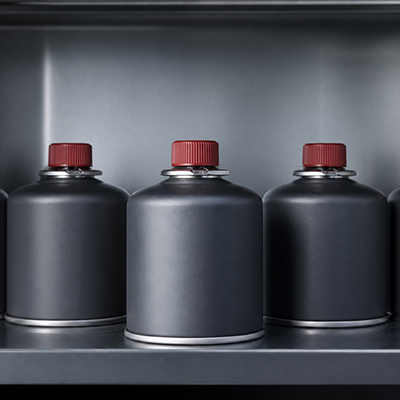
Many people who purchase a 450g gas canister often wonder about its duration. When kept sealed and stored properly the canister can remain usable for years without problems. The real issue lies in storage conditions which directly affect how long it lasts. Improper handling leads to exposure to moisture sunlight or sharp temperature changes and these factors damage both the canister and the gas inside. Factors That Influence Longevity The lifespan of a small gas cylinder hinges mainly on storage practices. Experts advise keeping it in a cool dry location to protect the metal surface and keep internal pressure steady. Direct sunlight or damp environments gradually weaken the seal. To extend its life raise the canister off the ground shield it from moisture and avoid sunny spots. Unopened canisters hold the key to longevity. They retain stable pressure offer greater safety and endure much longer. Once the seal breaks even if only a little gas escapes the countdown begins. Many users therefore reserve unopened ones as spares while finishing opened canisters quickly. Why Shelf Life Matters for Users For anyone who camps hikes or needs a portable flame source the reliability of an untouched canister brings real comfort. Knowing it will work years later encourages stocking up ahead of time. This habit saves money over the long run since bulk purchases reduce waste from expired products. Retailers also benefit because the canisters stay viable on shelves for extended periods. Safety Considerations Safety ties closely to proper storage and reduces risks significantly. Never place containers in direct sunlight or near flames. Keep them upright and away from sharp objects that could puncture or dent the metal. Regular inspections catch issues early. Look for rust dents or strange smells. If damage appears dispose of the canister through proper channels instead of risking further use. These habits maintain both safety and readiness. Choosing Reliable Products When buying a canister pay attention to build quality seal strength and material toughness. A well-made 450g gas canister delivers efficient energy and holds up during storage. Buyers increasingly seek brands that blend technical skill with steady performance. Versatility adds further value since these canisters power camping stoves portable heaters and some industrial tools. One type serves households outdoor enthusiasts and small businesses alike. Carrying a single reliable energy source simplifies transport and storage. Proper care transforms a simple gas canister into a dependable resource. Users who follow basic guidelines enjoy consistent performance over years. The combination of smart storage regular checks and quality products eliminates most common problems. Outdoor activities become smoother when energy needs stay covered without surprises. Households gain a practical tool that waits patiently until required. Businesses appreciate the low maintenance and long shelf life. All these advantages stem from understanding how storage conditions shape outcomes. Temperature plays a central role in preservation. Extreme heat expands the gas and strains the container while severe cold can affect valve function. Steady moderate conditions prevent both issues. Ventilation matters too since enclosed spaces sometimes trap fumes or humidity. A well-chosen storage spot addresses multiple threats at once. The valve and threading deserve attention during checks. Dirt or minor corrosion there can cause leaks later. Cleaning gently and ensuring the cap stays in place protects these vulnerable areas. Many problems start small and grow if ignored. Early action keeps the canister functional. Manufacturers continue improving designs to extend usable life even under less ideal conditions. Better alloys resist rust longer and advanced seals hold pressure despite minor temperature swings. These advances benefit everyone from casual campers to frequent travelers. Quality differences become clear over time as cheaper options fail sooner. Why Choose Bluefire Bluefire has earned trust by producing safe durable portable gas containers. Every unit meets high standards and responds to varied user demands. Strong seals robust materials and precise pressure management make the brand a solid choice for extended storage and daily applications. Those interested in purchasing or learning more can browse the full selection at bluefire. In the end the 450g gas canister proves remarkably resilient when treated with basic respect. Sealed units stored cool and dry deliver years of service. Opened ones perform best when used promptly. Safety remains straightforward through upright positioning distance from heat and periodic visual checks. Choosing established brands like Bluefire adds another layer of confidence. Users who adopt these practices rarely face shortages or hazards. The small effort invested in proper handling pays off repeatedly during actual use. Whether preparing for a weekend trip or maintaining household backups the right approach ensures the gas stays ready whenever needed.

news04
Industry News

September 22 Industry News

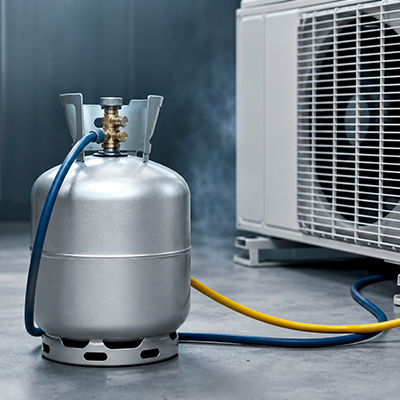
If you’ve ever had trouble charging an air conditioner or repairing a car’s AC system, you understand why having the proper equipment matters a lot. Our 1000ml refrigerant gas cylinders are made to simplify things, providing steady and dependable cooling for home AC units, commercial refrigerators, or car systems. What Makes This Cylinder So Versatile We really like how flexible this 1000ml cylinder is. If your home air conditioning isn’t cooling well, just add some refrigerant and it’s fixed. It handles commercial refrigeration units just as easily. Car air conditioners work great with it too. Its compact dimensions make it easy to store or carry along and the durable leak-proof design ensures trouble- use. Whether you’re an expert mechanic or a DIY enthusiast this cylinder is useful to have on hand. Priority is Safety Handling refrigerants can be tricky, but safety doesn’t have to be complicated. Each cylinder comes with clear labeling and a safety cap to prevent accidental leaks. It hooks up easily to standard charging equipment, so you have better control when adding refrigerant. The material resists rust and lasts a long time, lowering any risks and letting you work with confidence. Reliable Results Each Time Nobody wants unexpected problems when dealing with cooling systems. These cylinders deliver even gas release for effective performance. The 1000ml size holds plenty for typical jobs, so you don’t need to change tanks often. Built to meet standard pressure levels, they work consistently, helping make your repair or maintenance tasks easier and more reliable. Simple to Handle and Use Being practical is important. The light weight and common nozzle fitting make charging quick and straightforward. You avoid messes or adding too much, and it’s straightforward for both experts and casual users. It’s one of those little features that helps a lot when you’re busy on a repair. If you’re searching for a refrigerant option that’s safe, dependable, and easy to manage, this 1000ml cylinder is a solid pick. It works well for regular upkeep, quick fixes in emergencies, or professional jobs. Straightforward, useful, and effective—that’s why it’s a reliable choice for various cooling needs.

news05
Industry News

September 19 Industry News

The packaging sector has experienced transformations, opening up possibilities in various industries to develop functional, safe and visually appealing packaging. Of the packaging types available today the two-piece aerosol can continues to be a dependable option, for industries requiring secure containment of liquids, foams and aerosols. Crafted from premium metal through a deep-drawing technique its design offers robust structural integrity with minimal seams. This breakthrough illustrates how utility and design can be seamlessly combined within one product showing that packaging remains essential, for brand identity and customer contentment. The Transformation of Metal Packaging For years metal packaging has played a crucial role in industrial packaging functioning as a dependable vessel for liquids, powders and aerosols. Initially manufacturing techniques used seams to join packaging parts frequently resulting in structural weaknesses. These seams were prone to leaks, diminished durability and restricted the container’s capacity to handle pressure during storage and transit. With industry growth and rising product complexity the need, for robust, secure and efficient packaging has increased substantially. Progress in forming methods deep drawing has transformed the manufacturing of metal packaging. Creating packaging from a metal sheet allows producers to avoid numerous flaws related to seams and joints. This unified design not boosts safety but also improves the look of the packaging providing a sleek surface perfect, for printing and branding. Customers are growing more fond of this blend of dependability and uniformity which enhances brand confidence. The ecological consequences of packaging have driven changes, in metal container design. Seamless constructions aid recycling by minimizing material loss and preserving the metal’s integrity through multiple reuse cycles. Sectors focused on lowering their footprint see this advancement as especially significant since it harmonizes their manufacturing methods with increasing worldwide sustainability demands. Modern metal containers have changed a lot. Designers are no longer focused only on safety or environmental goals. The newer structures handle different pressures and sizes and still stay strong, and many dispensing methods fit into one basic form. The Perks of a Smarter Design The packaging sector has experienced transformations, opening up possibilities in various industries to develop functional, safe and visually appealing packaging. Of the packaging types available today the two-piece aerosol can continues to be a dependable option, for industries requiring secure containment of liquids, foams and aerosols. Crafted from premium metal through a deep-drawing technique its design offers robust structural integrity with minimal seams. This breakthrough illustrates how utility and design can be seamlessly combined within one product showing that packaging remains essential, for brand identity and customer contentment. For years metal packaging has played a crucial role in industrial packaging functioning as a dependable vessel for liquids, powders and aerosols. Initially manufacturing techniques used seams to join packaging parts frequently resulting in structural weaknesses. These seams were prone to leaks, diminished durability and restricted the container’s capacity to handle pressure during storage and transit. With industry growth and rising product complexity the need, for robust, secure and efficient packaging has increased substantially. Progress in forming methods deep drawing has transformed the manufacturing of metal packaging. Creating packaging from a metal sheet allows producers to avoid numerous flaws related to seams and joints. This unified design not boosts safety but also improves the look of the packaging providing a sleek surface perfect, for printing and branding. Customers are growing more fond of this blend of dependability and uniformity which enhances brand confidence. Diverse Applications Across Industries The ecological consequences of packaging have driven changes, in metal container design. Seamless constructions aid recycling by minimizing material loss and preserving the metal’s integrity through multiple reuse cycles. Sectors focused on lowering their footprint see this advancement as especially significant since it harmonizes their manufacturing methods with increasing worldwide sustainability demands. Recent adjustments in metal container design have made them far more adaptable. A single structure can now handle different pressures and sizes while still working with varied dispensing systems, and the overall strength stays reliable. This allows companies to rely on one core design for many product lines, which keeps production steady and quality easier to control. The move from multi-seam to seamless containers reflects a steady search for designs that work well in practice and also place less burden on the environment, showing how technical progress and practical use can fit together. A Balance Between Function and Brand Identity This area allows brands to present information, guidelines and promotional features clearly and appealingly aiding consumers in quickly identifying products and fostering confidence, in the brand. Apart from allure the containers design facilitates functional uses. Its shape ensures uniform handling and convenient storage while providing steadiness on shelves and throughout shipping. Producers may select among finishes like metallic shines, matte surfaces or glossy coatings each conveying a unique vibe that matches the brand identity. These options help distinguish products, in markets attracting customers who appreciate both elegance and excellence in daily items. Packaging also serves as a refined communication medium subtly shaping buying choices without advertising. A designed package conveys meticulousness, expertise and dependability fostering customer loyalty. Combining design, practicality and branding contemporary aerosol containers showcase the harmony of function and visual appeal turning packaging into an essential part of a product’s brand image. Environmental Considerations Sustainability is now a factor, for companies when choosing packaging options. Metal containers provide a benefit as they can be recycled repeatedly without compromising their strength or functionality. This capacity to be reused in manufacturing diminishes waste saves resources and decreases the total environmental impact of packaged goods. Main Characteristics need to Consider When assessing metal containers for items companies thoroughly review multiple key design elements to guarantee that every package satisfies criteria related to performance, safety and ease of use. These factors are crucial in assessing the container’s ability to endure pressure preserve the products quality and enable dispensing in routine applications. Focusing on these aspects also influences the containers appearance and its suitability with filling equipment making them vital considerations, in choosing dependable and effective packaging. Wall Thickness – Determines resistance to internal pressure. Surface Quality – Influences printing clarity and overall appearance. Bottom Structure – Ensures stability during storage and use. Neck Design – Impacts compatibility with various dispensing valves. Packaging Features             Feature Metal Spray Can Plastic Spray Container    Structural Integrity            High                 Moderate         Surface Finish          Printable                   Limited          Recyclability           Excellent                   Variable    Pressure Resistance            Strong                     Lower         Visual Appeal     Premium Look                     Basic Production Processes The creation of modern spray containers requires precision at every stage: Material Selection – Choosing steel or aluminum with suitable properties. Deep Drawing – Forming the cylindrical body without compromising strength. Trimming and Shaping – Refining edges and body proportions. Surface Coating – Applying protective layers to prevent corrosion. Printing and Decoration – Adding branding elements. Inspection and Testing – Ensuring safety and reliability before shipment. The Role of Innovation in Packaging Ongoing innovation guarantees the continued relevance of metal containers in markets. Improvements in coating technology prolong the shelf life of products while digital printing methods create design opportunities. Strategies for lightweighting contribute, to transportation expenses enhancing the product’s availability in worldwide distribution networks. The Human-Centered Approach Customers engage with packaging and their encounter with a product frequently starts and finishes with the packaging itself. Hence ergonomics is essential in making certain that the packaging is practical and user-friendly. Shapes that are simple, to grasp edges and carefully crafted grip zones enable users to manage the container securely and effectively minimizing the chance of spills or mishaps. The configuration of the dispensing system featuring uniform spray distribution and regulated flow improves ease of use instilling trust, in consumers that the product will function reliably every time. Beyond ease human-centered design also accounts for the natural engagement between user and product. Straightforward consistent functionality reduces the learning process for newcomers while visual indicators, like distinct labels and color schemes assist in communicating directions swiftly and precisely. Industry Adaptability Companies appreciate adaptability and spray containers meet this requirement effectively. They work well with filling methods fit a broad range of valves and actuators and can handle various volume sizes. Safety Measures In packaging design safety remains a fundamental concern, particularly for containers, under pressure. Secure seams, designed wall thickness and managed pressure tolerance collaborate to avoid leaks, bursts or other dangers that might impact users or handlers. Additional protection comes from coatings that guard against corrosion. Preserve the containers strength over time. Packaging, Expertise, and Innovation Packaging functions not, as a protective casing, it engages directly with customers. The outward look of a package featuring labels, appealing visuals and helpful guidelines influences how the product is viewed and can transform ordinary goods into seemingly upscale items. Careful design grabs interest expresses brand character. Improves the users overall interaction turning packaging into an understated yet effective promotional asset. Just as is the contribution of specialized manufacturers in producing dependable and uniform containers. Their knowledge, equipment and rigorous quality assurance guarantee that every item satisfies stringent requirements, for strength and usability. Collaborating with producers enables companies to sustain productivity secure prompt shipments and preserve solid reputations in competitive industries. Looking ahead packaging keeps advancing to meet shifting industry needs and customer demands. Developments like coatings, intelligent labeling systems and lighter structures are transforming contemporary metal containers harmonizing eco-friendliness, efficiency and innovation. For companies seeking dependable packaging partners, Bluefire Industries Limited provides solutions that combine innovation, reliability, and adaptability.

news06
Company News

Printing design principles for camping gas cartridge

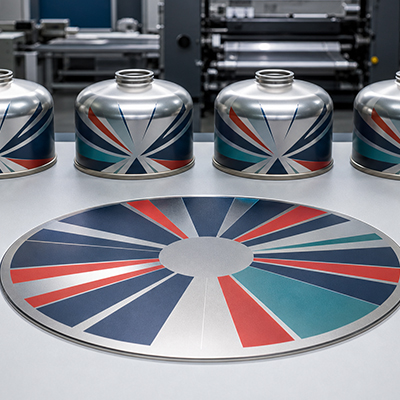
Printing design principles for camping gas cartridge The camping gas cartridge produced by Bluefire, compared to the refrigerant gas can that require heat transfer printing, need the artwork to be pre-printed on the material of tinplate sheet. The raw material used to make the body of the camping gas cartridge is a circular tinplate. Therefore, we need to convert the printed artwork into a circular shape, as shown in the following pictures: As a professional manufacturer of camping gas cartridge, Bluefire offers the following three suggestions regarding the printing artwork:   Vertical text arrangement Camping gas cartridges are the type of two-piece cans. During the stretching process, the tinplate extends vertically. If the text is arranged horizontally, it will form a wavy shape. Therefore, we recommend that the text be arranged vertically, in line with the direction of the tinplate’s extension. The three cans in the following pictures have their text arranged vertically. The text and patterns should be placed as close to the top as possible. This is related to the particularity of the stretching process. The closer to the bottom, the greater the deformation of the tinplate and the patterns. Therefore, Bluefire suggests placing the text and patterns in the upper half of the jar (approximately 2/3). Please look at the picture below. The text and pattern should be placed as close as possible within the red frame at the top. The base graphics for printing should be irregular shapes, such as scattered mountains, flames, abstract lines, etc. Since the stretching deformation of the tinplate is random and uncontrollable, straight lines will become curves, and circles will become ellipses. Therefore, we can choose some disordered patterns or irregular lines as the base graphics for the printed patterns, especially the lower part of the camping gas cartridge. Or only the color, without the pattern.

Products
Contacts
WhatsApp
Email